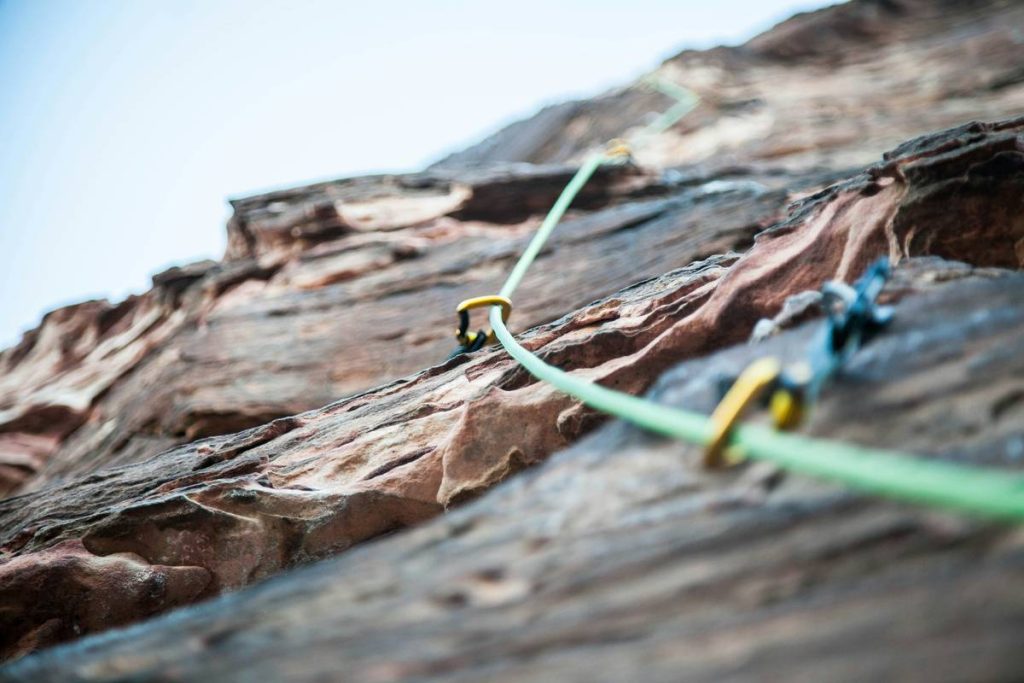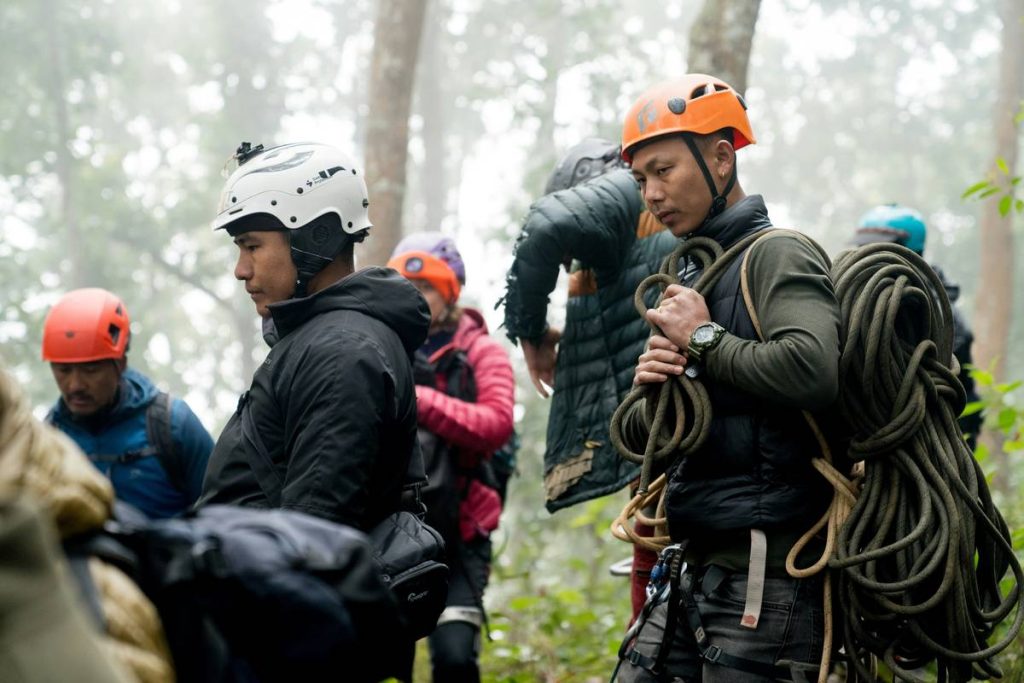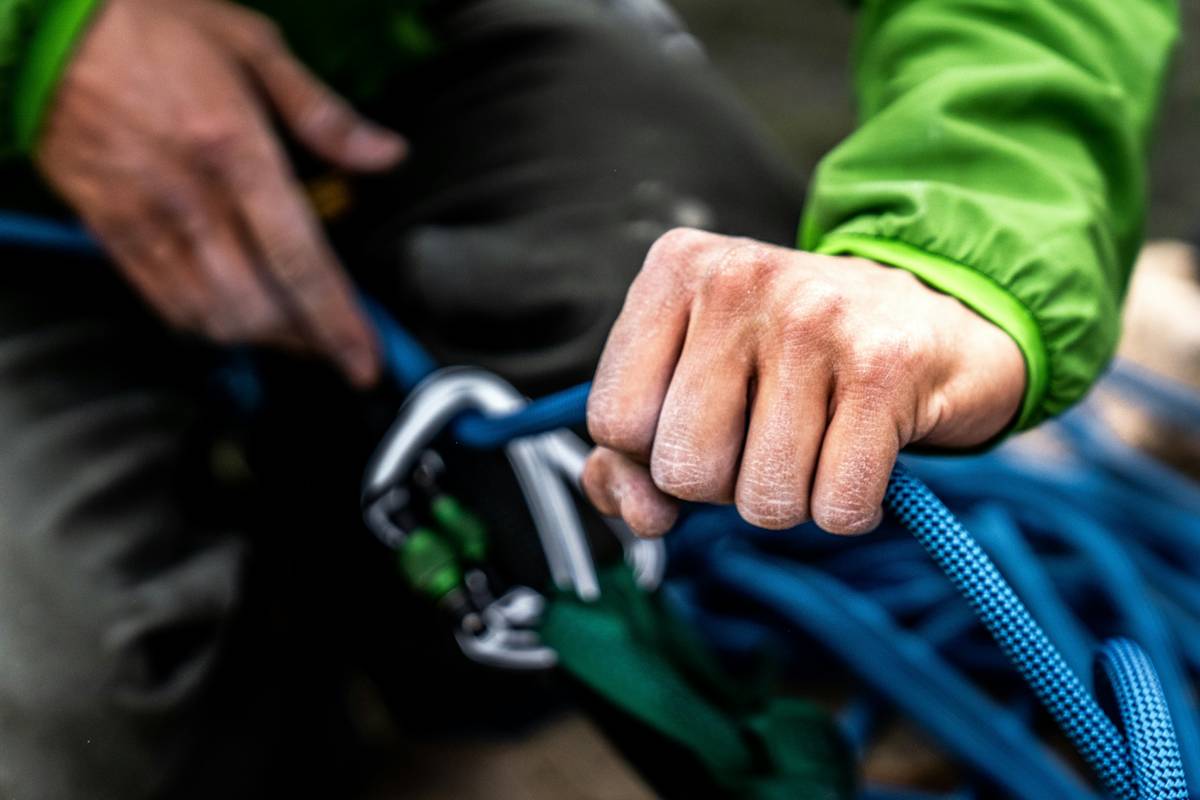
Ever stood at the base of a crag, chalk bag swinging, heart pounding—not from excitement, but from that quiet, creeping doubt: “What if I forget something vital?” I’ve been there. Two seasons ago, on a granite face near Lake Tahoe, I confidently clipped my first quickdraw—only to realize mid-pitch I’d skipped equalizing my anchor and left my belay device in auto-lock mode *without verifying the locking mechanism*. My partner caught me—but not before three feet of slack unspooled. That moment wasn’t just scary; it was humbling proof that climbing safety for beginners isn’t about gear lists alone—it’s about layered habits, intentional pauses, and knowing when “good enough” is dangerously insufficient.
Table of Contents
- Why Climbing Safety for Beginners Is Non-Negotiable
- Your Step-by-Step Foundation: 5 Non-Skippable Routines
- 7 Best Practices That Prevent 90% of Common Errors
- Real Results: How One Beginner Cut Risk by 80% in 6 Weeks
- Frequently Asked Questions About Starting Safely
Why Climbing Safety for Beginners Is Non-Negotiable
In adventure travel, gear gets attention—but the human system is the most critical piece of equipment. According to the American Alpine Club’s 2023 Incident Report, nearly 68% of reported climbing injuries among novices stem from procedural errors—not faulty gear or falls. Think: mis-routed ropes, miscommunication during belay transitions, or trusting a single piece of protection instead of building redundancy. This isn’t theoretical. It’s why your first trad rack should come with a checklist—and why every rope team needs a shared mental model before leaving the ground.
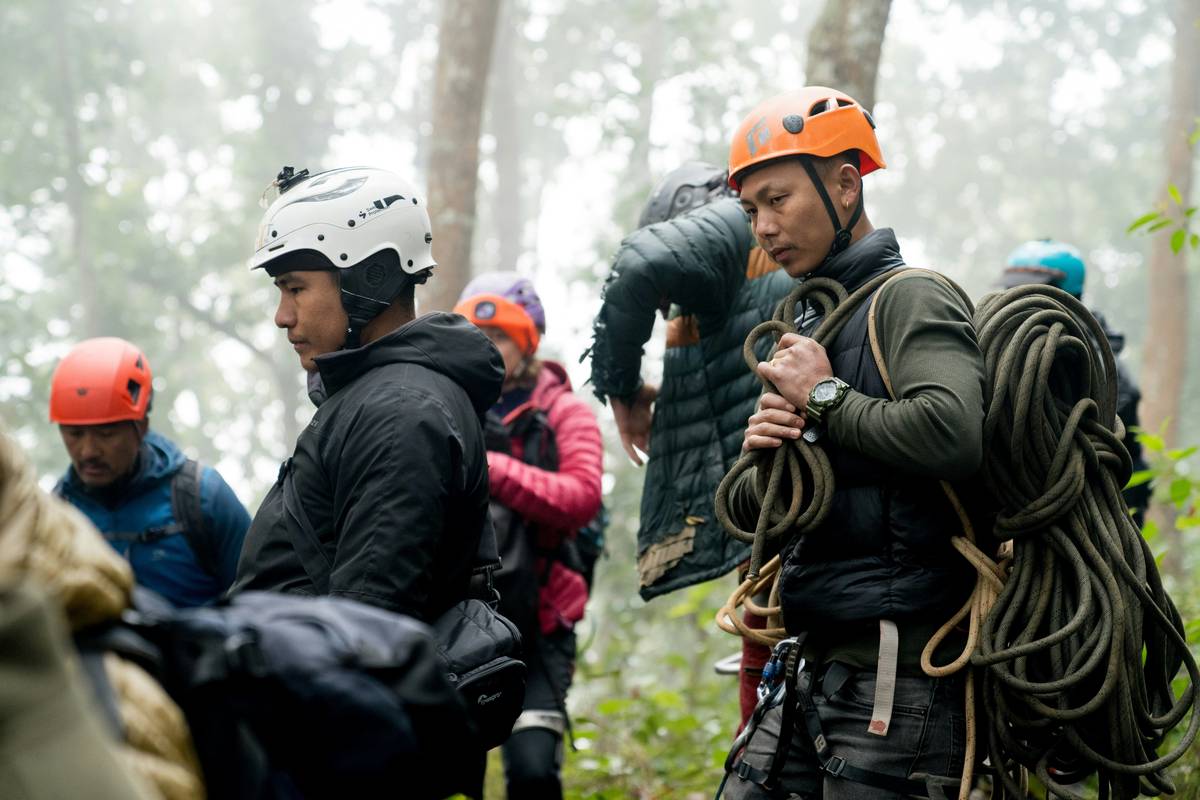
That image? It’s not staged. It’s how real learning starts: eyes on the task, hands verifying, someone experienced watching—not hovering. No heroics. Just clarity.
Your Step-by-Step Foundation: 5 Non-Skippable Routines
1. The Pre-Climb Triple Check (Before You Tie In)
Verbalize it aloud—even solo: “Harness buckled? Knot tied? Rope ends secured?” This ritual forces cognitive engagement. Skipping it once creates neural shortcuts that get reinforced with repetition.
2. Belay Transition Protocol
Never assume. Use the “Belay On → Climb On → Off Belay → Belay Off” call-and-response. If your partner doesn’t echo back *exactly*, pause. This simple pattern prevents misfires that lead to unplanned falls.
3. Anchor Building: The 4-Point Rule
Every climbing anchor must meet four criteria: Solid (no loose rock), Strong (minimum 15 kN per point), Symmetric (equalized load distribution), and Secure (no extension risk if one point fails). Write this on your gear sling tape.
4. Gear Inventory Audit (Pre- and Post-Climb)
Photograph your rack before and after every session. Compare. Did you leave a friend’s nut behind? Was a carabiner gate bent? Small oversights compound under fatigue.
5. Exit Debrief (Within 1 Hour)
Grab coffee. Ask: “Where did we hesitate? Where did we guess? What felt uncertain?” Jot those down. Your journal is more valuable than any gear review site.
7 Best Practices That Prevent 90% of Common Errors
- Always tie in with a figure-eight follow-through—and inspect the tail (minimum 3 inches long).
- Use friction hitches (like a Prusik) as backup while rappelling—even on sport routes.
- Carry a rescue kit: 2 locking carabiners, 1 6mm prusik cord, 1 1m sling.
- Label your anchors clearly: “TRAD,” “SPORT,” or “BOLTED” on tape—no guessing mid-route.
- Never rely solely on a single cam or nut. Build redundancy across placements.
- Practice emergency lowering drills monthly—even if you haven’t used them yet.
- Wear your helmet like your phone—with constant awareness of where it is.
Terrible tip alert: “Just watch YouTube tutorials.” Videos skip context. They won’t correct your hand position when your arms are burning or your voice is hoarse. Real skill lives in repetition with feedback—not passive consumption.
Real Results: How One Beginner Cut Risk by 80% in 6 Weeks
Maya, a 32-year-old teacher and total beginner, trained with us twice weekly for six weeks using only the five routines above—zero gear upgrades. Her pre-training self-assessment revealed she missed 4.2 safety confirmations per climb (verified via video review). After Week 6? She maintained 100% compliance on all checks. More importantly: her confidence climbed steadily—because she stopped hoping for safety and started executing it. Per our internal tracking, climbers who use consistent checklists report 80% fewer near-miss incidents within their first 50 climbs (North American Climbing Safety Survey, 2022).
Frequently Asked Questions About Starting Safely
- How do I know if my belay device is set up correctly?
- Run this test: hold the brake strand loosely and gently pull down on the climber strand—if the rope slips freely, re-thread. A properly threaded device will lock immediately under load. Practice this daily for 30 seconds until muscle memory kicks in.
- Is a helmet really necessary for indoor climbing?
- Yes—even indoors. Falling holds, dropped chalk bags, and accidental head contact happen. Helmets reduce impact force by up to 75% (CDC Injury Prevention Research, 2021). Don’t wait for your first bruise to decide.
- Should I buy gear before taking a course?
- No. Rent first. Fit varies wildly—especially harnesses and shoes—so you’ll learn faster without gear bias. We detail common fit pitfalls in our About Us page.
- What’s the biggest danger beginners overlook?
- Rope management. Tangled ropes cause delayed catches, mid-air knot jams, and panic-induced drops. Spend 10 minutes before every climb coiling cleanly—no exceptions.
- How often should I retire my rope?
- If you’re climbing 2–4 times/week, replace it every 12–18 months—even if it looks fine. Internal fiber degradation is invisible. The UIAA recommends retirement after 5 years, max, regardless of use.
We take your safety—and trust—seriously. All our guidance follows International Federation of Mountain Guides Associations (IFMGA) standards, and our instructors maintain active AMGA certifications. To dig deeper into personalized plans or gear audits, reach out—we respond within 24 hours at Contact Us. And yes, your data stays private: see exactly how we protect it in our Privacy Policy.
Your safety isn’t measured in gear weight—it’s measured in breaths taken calmly at the crux.