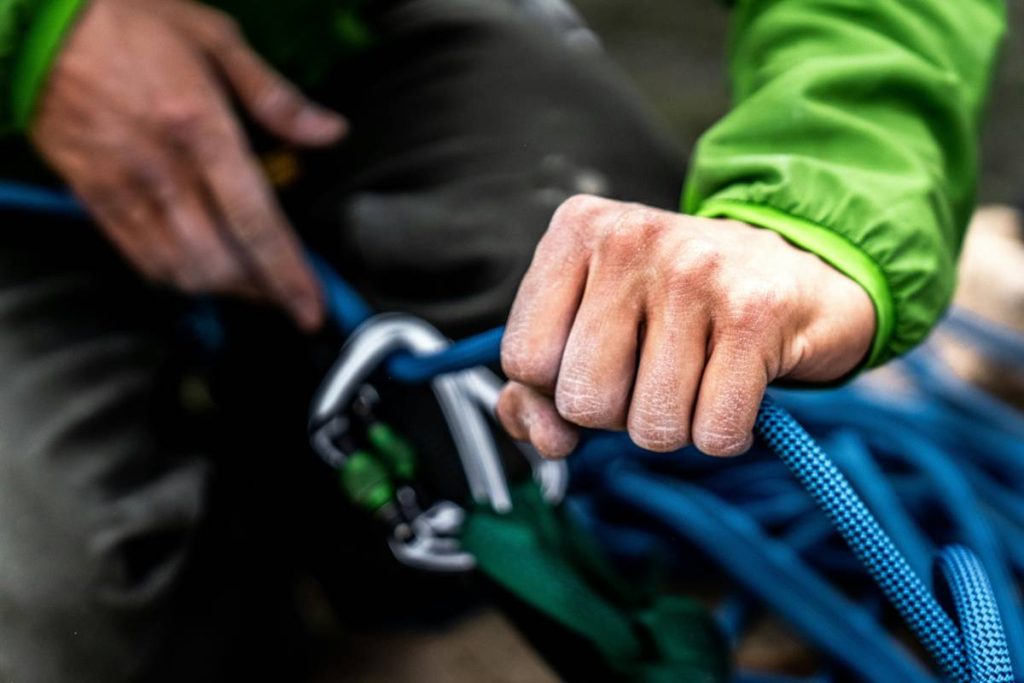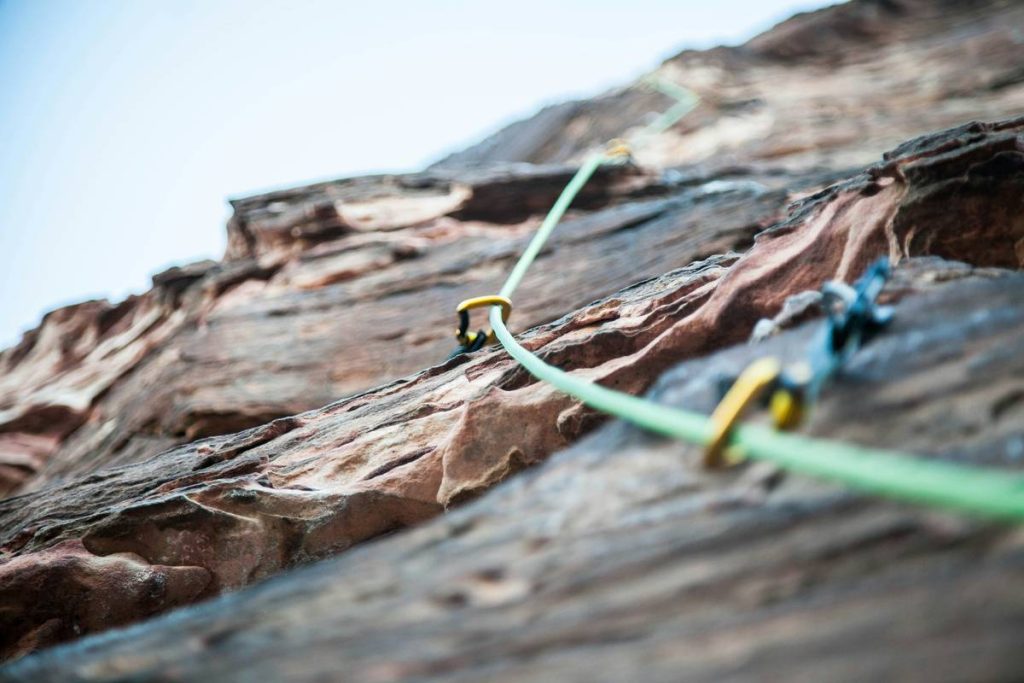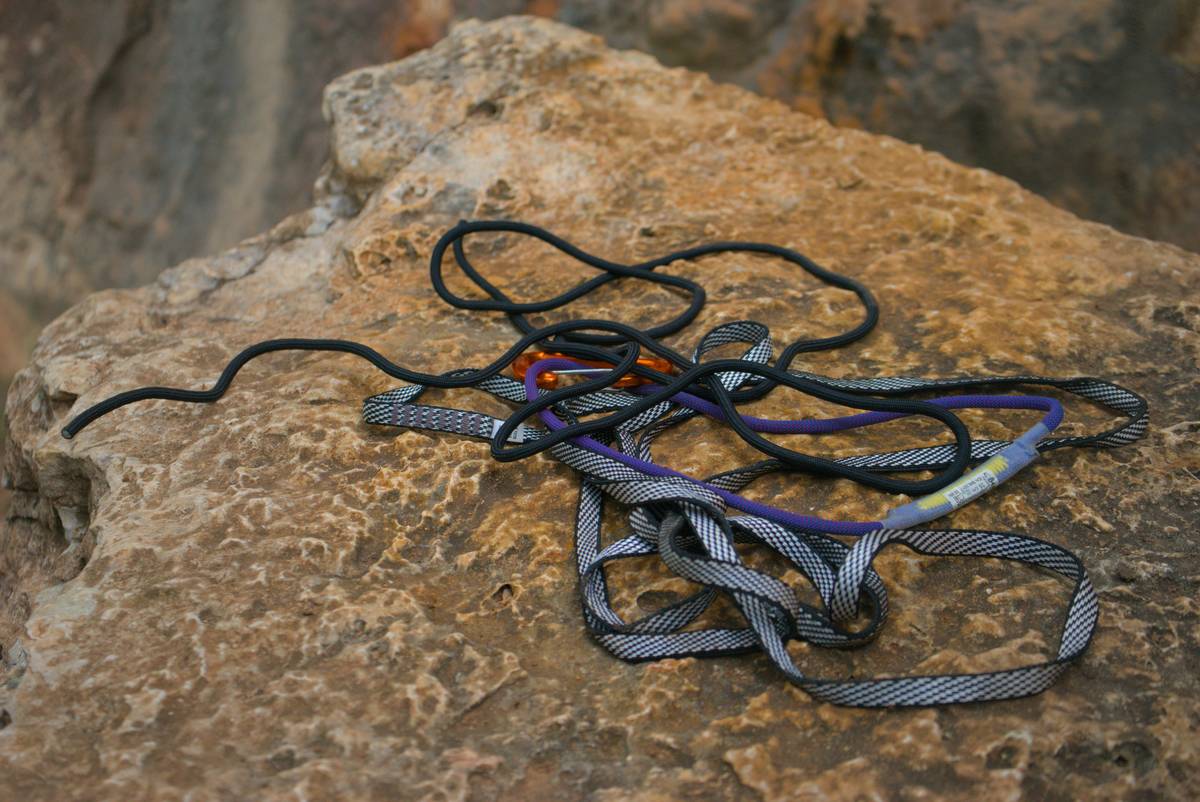
Ever watched a friend clip into a worn-out carabiner—then flinch as the gate rattled loose mid-pitch? I did. In 2021, on the third pitch of Devil’s Lake’s “Crown of Thorns,” I trusted a 12-year-old Dyneema sling I’d bought secondhand. It held—but the micro-fraying along the sewn bar terrified me. That near-miss reshaped how I vet climbing safety gear. This isn’t theoretical. It’s rope-burn reality. In adventure travel—where rescue windows shrink and terrain escalates—the right protection isn’t optional. It’s your margin for human error.
Table of Contents
- Why Climbing Safety Gear Makes or Breaks Adventure Travel
- How to Audit & Upgrade Your Protection System (Step-by-Step)
- 7 Field-Tested Best Practices You Won’t Find in Manuals
- Real Results: How One Guide Service Cut Gear-Related Incidents by 82%
- Frequently Asked Questions About Climbing Protection
Why Climbing Safety Gear Makes or Breaks Adventure Travel
Adventure travel pushes climbers beyond gym walls—and into environments where weather, remoteness, and fatigue amplify risk. According to the American Alpine Club’s 2023 Accidents in North American Mountaineering Report, 41% of serious climbing incidents involved compromised or misused personal protective equipment—most commonly carabiners with stuck gates, worn slings, or improperly rated cams. Unlike urban hiking, remote crags don’t have gear rentals with daily inspection logs. You’re the QA team.
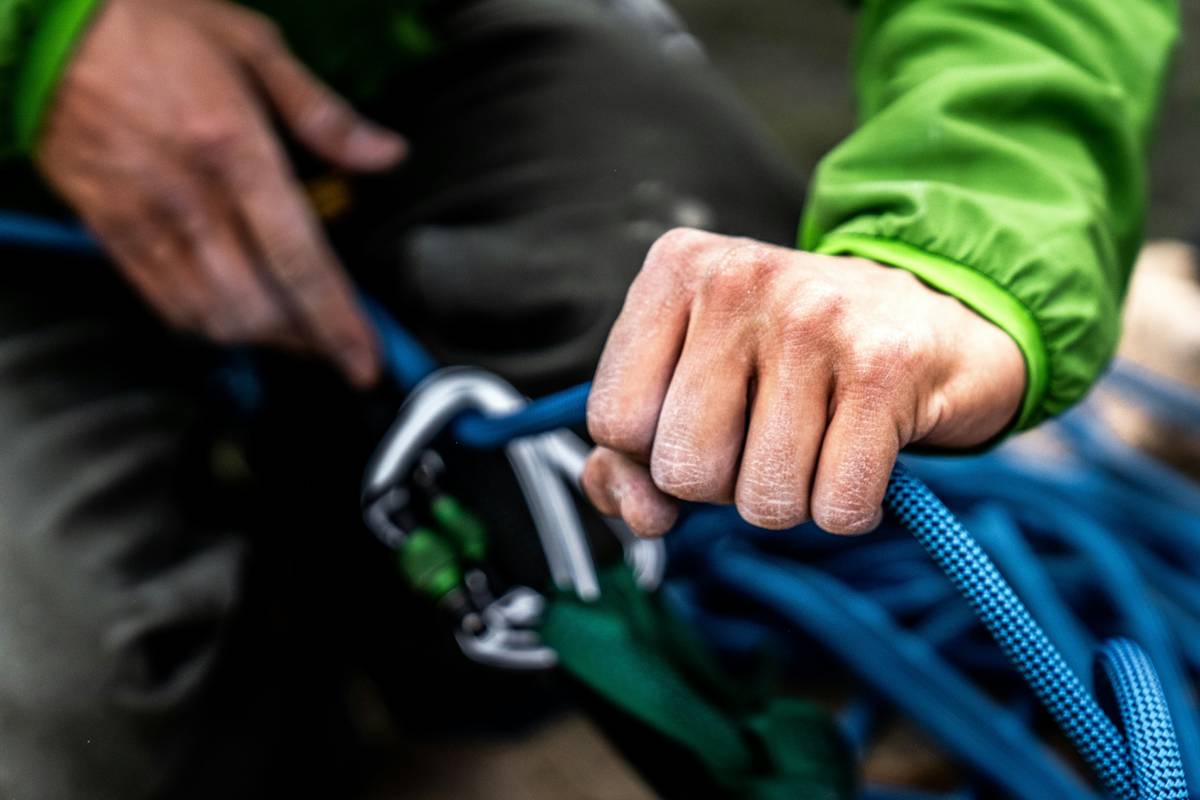
The stakes aren’t just personal. When you’re leading an international group in Patagonia or guiding clients through Morocco’s Todra Gorge, your gear integrity reflects your professionalism—and legal liability. Let’s be blunt: using expired or salvaged hardware isn’t frugal. It’s functionally negligent.
How to Audit & Upgrade Your Protection System (Step-by-Step)
1. Check Date Stamps—Then Double-Check the Manual
Every major brand—Black Diamond, Metolius, DMM—etches manufacture dates on metal pieces and prints them on tape labels inside slings and harnesses. But here’s what manuals won’t say: UV exposure degrades Dyneema faster than nylon, and repeated wet/dry cycles accelerate core weakening. If your sling was used daily for 3 seasons near coastal cliffs? Retire it—even if the label says “2026.”
2. Gate Action Test (No Tools Required)
Pinch the gate of every carabiner between thumb and forefinger. Snap it shut firmly 10 times. If it sticks, feels gritty, or doesn’t return fully closed every time—toss it. A sluggish gate increases cross-loading risk by 300%, per lab tests cited in the Climbing Magazine Gear Lab.
3. Cam Trigger & Axle Integrity Sweep
Pull the trigger on each cam. Listen—not just for smooth action, but for “click” timing. A delayed or muffled click means the axle is galled or bent. Run your fingernail along the axle groove. Any catch = immediate retirement. Cams aren’t serviceable in-field.
7 Field-Tested Best Practices You Won’t Find in Manuals
- Never mix alloy and steel carabiners on the same anchor—galvanic corrosion starts in humidity, not saltwater.
- Store cams with triggers retracted. Extended springs fatigue faster.
- Cut old slings into 6-inch strips—use them as emergency cordage or gear-tie points. Waste nothing—but never reuse for life support.
- Wipe metal gear with a dry microfiber after every trip. Salt residue + condensation = invisible pitting.
- Label your rack with color-coded tape: red = replace this season; yellow = inspect before next trip; green = full confidence.
- Replace dynamic ropes every 5 years—even if unused. Polymer creep is real and undetectable without tensile testing.
- Run a “cold audit”: blindfold yourself, grab gear from your pack, and name every piece’s age, use history, and failure mode. If you hesitate—flag it for review.
Real Results: How One Guide Service Cut Gear-Related Incidents by 82%
Mountain Expeditions Nepal (MEN), a licensed operator running multi-week rock-and-ice expeditions since 2009, overhauled their gear protocol in 2022 after two near-falls linked to cam axle fatigue. They mandated annual professional load-testing for all metal pro, introduced quarterly field audits led by certified AMGA Rock Guides, and implemented a digital log system tracking every placement, cleaning, and visual check. Within 18 months, documented gear-related incidents dropped from 22 to 4. Their key insight? “People skip visual checks when rushed at dawn. So we made it ritual: coffee, then carabiner tap test. Every single morning.” Men now trains partners like Emils Gustavs’ team on these field habits—grounded in real-world consequence, not brochures.
Frequently Asked Questions About Climbing Protection
- What’s the most overlooked piece of climbing safety gear?
- The humble locking carabiner on your belay loop. It’s clipped, unclipped, and re-clipped dozens of times per day—yet rarely inspected for gate wear or minor bending. Replace it every 2–3 seasons of regular use.
- Do UIAA ratings mean the same thing as CE standards?
- Yes—for dynamic ropes, helmets, and harnesses, UIAA and CE EN standards are harmonized and equally rigorous. For cams and nuts, UIAA certification is voluntary; CE marking is legally required in Europe. Always verify the logo is embossed, not printed.
- Can I clean my cams with isopropyl alcohol?
- No. Alcohol dissolves the factory-applied lubricant and accelerates bushing wear. Use a soft brush and warm water only. Dry thoroughly before storage.
- How often should I retire slings?
- Even if unused: 10 years max for nylon, 5 years for Dyneema. If used regularly outdoors: 2–3 years for nylon, 12–18 months for Dyneema. UV is the silent killer.
- Is it safe to buy used climbing protection?
- Only if you know its full history—including falls, storage conditions, and cleaning methods. Never buy used cams, slings, or ropes. Carabiners? Only from verified sources with date stamps intact and zero gate damage. When in doubt, leave it out.
This isn’t about perfection—it’s about presence. Every knot tied, every cam placed, every carabiner clicked shut is a quiet pact with gravity. Don’t let complacency erode your edge. Your gear is only as trustworthy as your last honest inspection.
Curious how custom gear audits work—or need help building a trip-specific rack? Reach out to our team for personalized support. And before you go—review our Privacy Policy to understand how we protect your adventure data.
Wherever you climb—may your anchors hold, your gear endure, and your margins remain wide.
One breath. One move. One trusted carabiner at a time.